

Pinterest boards are, at the moment, thick with “enemies to lovers” — quote cards, book stacks, a hashtag doing the algorithmic work word of mouth used to do. The easy response is to wave it off as a trend, the romance genre’s version of a dance challenge. The more useful response — the one a book actually deserves — is to ask what the trope is doing when it works, and why it so often doesn’t.
Key takeaways
- The trope is not new. It is not TikTok’s. It is Austen’s.
- It fails, almost always, for the same reason: manufactured conflict, resolved too quickly, too conveniently
- It succeeds when both characters change — not one performing growth while the other simply waits to be won
- The genre’s most interesting recent development isn’t a book. It’s where several of its biggest current hits began: fan fiction
The mechanics, stated plainly
Strip the trope to its working parts and the requirements are stricter than the marketing copy suggests. The opposition has to be real — competing loyalties, a betrayal, incompatible goals — not mild irritation dressed up as conflict. The slow burn is not a delay tactic; critics who take the form seriously are right to insist it is the point, the entire emotional argument of the book, not a queue you wait in before the real story starts. And the change has to run both directions. One character softening while the other simply gets what he wanted, on schedule, is not a transformation — it’s a wish fulfilled.
What holds the middle together, structurally, is banter that reads as tension rather than comic relief — sharp dialogue that keeps two people who cannot yet admit anything at a safe, charged distance from each other. Genre readers have a name for the moment this breaks: the beat where a character could do damage and chooses, visibly, not to. It works because everything before it has made the restraint cost something.
Its oldest text is also its best
Two centuries before the hashtag, there was Pride and Prejudice. Elizabeth Bennet and Mr. Darcy dislike each other for reasons the novel takes seriously — pride, prejudice, a real accusation of cruelty — and Austen does not let either of them off easily. The shift is earned in argument, not proximity. It remains the form’s cleanest demonstration: contempt is not incompatible with attention, and a change of mind, properly dramatized, is more romantic than a coup de foudre.
Desire needs distance to survive. It is not a paradox that the slowest-burning arguments make the most convincing love stories — it is the mechanism doing exactly what it is built to do.
What’s actually happening in the genre right now
Two of the current bestselling examples — Violet and Xaden in Fourth Wing, Feyre and Rhysand in A Court of Thorns and Roses — follow the Austen template closely enough that the resemblance is the point, not a coincidence. More interesting is where a meaningful slice of the current boom actually incubated: fan fiction. The Draco-and-Hermione pairing (“Dramione,” in the shorthand) has spent two decades as one of fan fiction’s most prolific enemies-to-lovers laboratories, and several of its best-known stories — Alchemised, Rose in Chains, A Rather Vengeful Accord among them — have been filed off and traditionally published in the last few years. That pipeline is worth an editor’s attention on its own terms: a genre workshopping structure, at scale, for free, years ahead of the market catching up to it.
Where it goes wrong
Most of the trope’s failures share a diagnosis: the hostility was never load-bearing. Two characters are “enemies” because the plot needs friction, not because anything real separates them, and the conflict dissolves the moment it’s inconvenient to the pacing. The tell is almost always in act one — if you can’t articulate, specifically, what each character believes about the other and why, the enmity was decorative, and what follows is a romance with a costume on.
Five to read, with a caveat each
Pride and Prejudice by Jane Austen
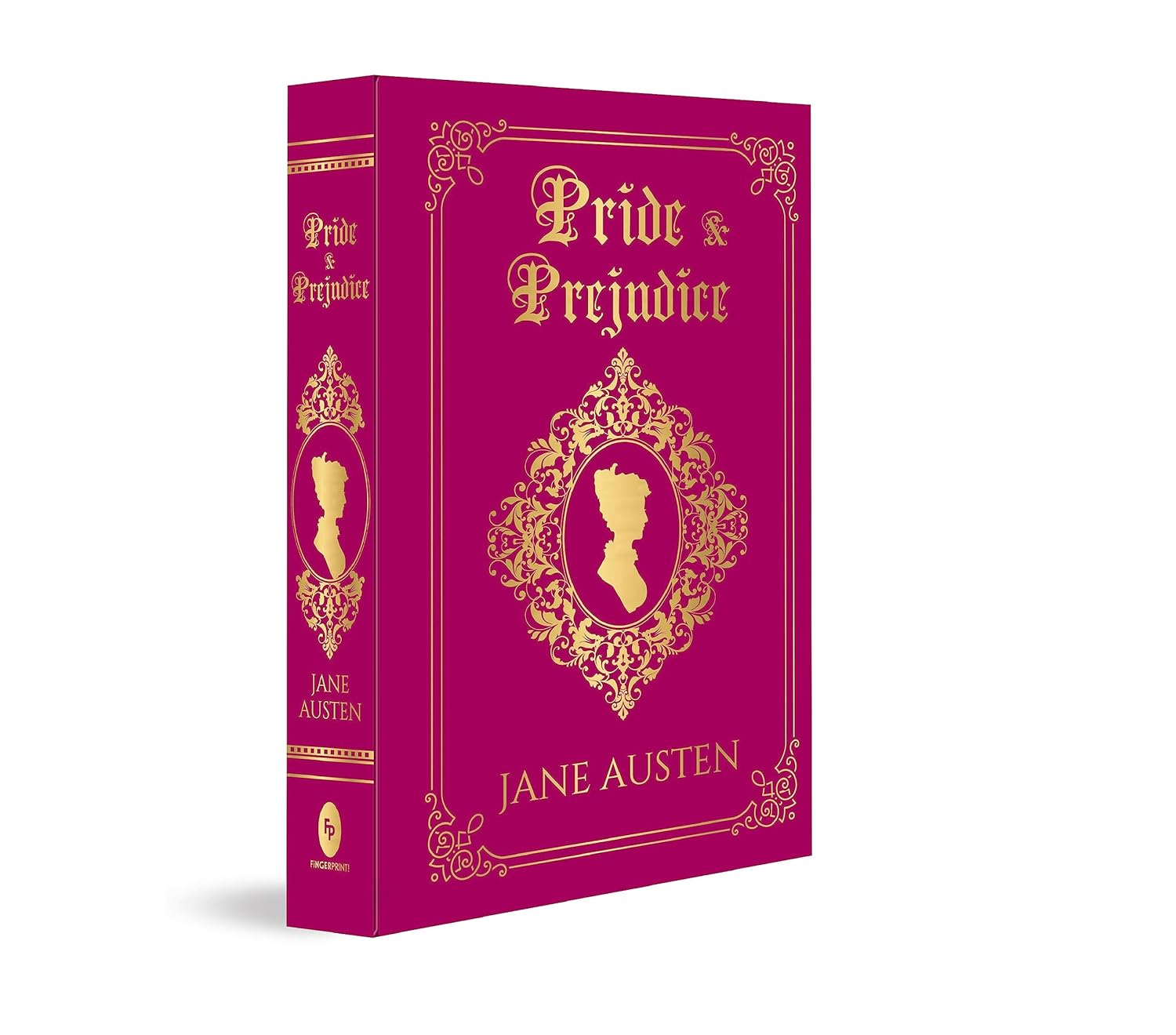
The template, still unmatched on wit as an instrument of self-defense. Caveat: none, honestly — read it first.
Shop Pride and Prejudice by Jane Austen → on Amazon
The Hating Game by Sally Thorne
A contemporary workplace rivalry sustained almost entirely on dialogue. Caveat: the office-politics plot is thinner than the chemistry it’s built to showcase.
Shop The Hating Game by Sally Thorne → on Amazon
A Court of Thorns and Roses by Sarah J. Maas
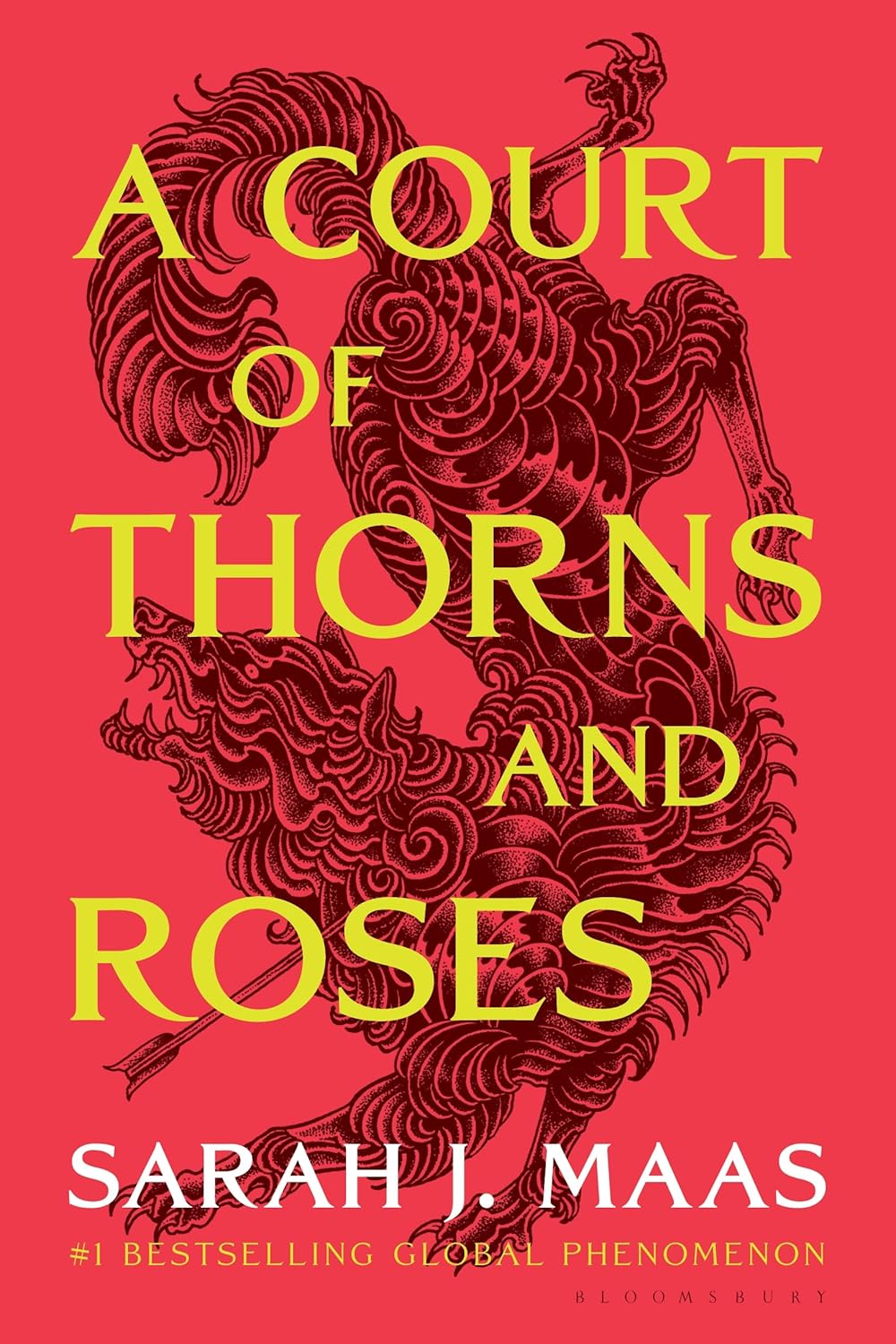
The trope at full romantasy scale, with real political stakes underneath the antagonism. Caveat: patience required — the payoff is a sequel away.
Shop A Court of Thorns and Roses by Sarah J. Maas → on Amazon
Twisted Love by Ana Huang
Darker and more contemporary; the tension is sustained rather than resolved in the first act, which is more than most in this register manage. Caveat: the prose is serviceable, not literary — read it for structure, not sentences.
Shop Twisted Love by Ana Huang → on Amazon
Beach Read by Emily Henry
The gentlest register here — two writers whose antagonism turns out to be two different ways of being guarded. Caveat: lower stakes than the rest of this list, deliberately.
Shop Beach Read by Emily Henry → on Amazon
THE GILT take: a trend is data, not noise — it tells you what a lot of people want at once. This one has been telling us the same thing since 1813. We want the version of love that has to be argued for and chosen on purpose, not the one that simply arrives. That is not a guilty pleasure. That is just a well-made argument, dramatized.
Disclosure: This post contains affiliate links. If you buy through them, THE GILT may earn a commission at no extra cost to you. We only recommend products that meet our evidence and usefulness standards.
Leave a Reply